Monday, September 13, 2021

Cable Car Shutdown Update

Cable Car Shutdown Update
By

Last Thursday at approximately 1:30 p.m., the fire suppression system in the electrical room at the Cable Car Barn at Mason and Washington streets discharged. This caused the electrical room to fill with fire retardant material resembling smoke, which prompted a response from SFFD as a safety precaution. Upon the discharge of the fire suppression system, other automated safety systems were activated resulting in a loss of electrical power to the entire facility, including the propulsion system for the cable cars.

As the cable cars only recently came back to full service on Sept. 4, we share the public’s disappointment to now be without these essentially San Francisco features on our streets. Our electrical, operations, safety and facilities teams are working hard to ensure that we do thorough inspections across related systems, rigorous testing and careful resumption of service to avoid further disruption. We are grateful for the quick response and support from SFFD. Since this incident we have also been working in close collaboration with PG&E to inspect our electrical systems and prepare to bring them back safely.

Last week’s discharge of the suppression system was due to the failure of an aged release valve which has been in service since the last cable car renovation in the 1980's. Regular inspections by outside fire safety experts of the fire suppression system have not shown any signs of defect, but the system is almost four decades old and is not considered current best practice. The wider loss of electric power at the facility was the outcome of the systems shutting down safely. Due to the age of related safety and electrical equipment, we are thoroughly inspecting this equipment for any resulting damage, stress or fatigue it may have undergone.

The fire suppression system did not sustain damage, but purchasing and retrieving necessary replacement parts for this aged system along with the inspections and testing once repairs have been made will take time. A 305-lb canister of the fire suppression system’s halon material will need to be assembled over the next week, and then delivered by truck from Ohio, followed by installation and testing. We are also researching possible alternatives to repair or replace the obsolete system in the near term. While we do not expect to have the cable cars return to service before the end of next week, we will continue to provide updates on our plans and schedule.

These are some of the many challenges that the SFMTA faces keeping the one of the oldest transportation systems operating in San Francisco.

The Cable Car system has not undergone a complete system renovation since the 1980s. More than a year ago, the SFMTA began planning for a complete system renovation, which would include modernization of the Cable Car Barn, including critical seismic upgrades, replacement of the Cable Car electrical system, propulsion and long-term system resilience. A complete system renovation today would cost approximately $625 million.

The project delivery of this program is designed around complete system renovation. The central project is the renovation of the Cable Car Barn, which requires a full upgrade of the existing 12KV electrical system, which triggered last week’s safe shutdown of the cable car electrical systems, plus structural and seismic upgrades.

The project would also seek to renovate the on-street infrastructure, including the tracks and turntables, as well as the continued rehabilitation of 27 Powell-style cable cars and 13 California-style cable cars.

A nationally recognized landmark, the Cable Car system is an iconic emblem of San Francisco beloved by locals and visitors alike. During the 1982 renovation of the Cable Car System, the federal government, noting the national significance of the system, provided 80% of the renovation costs through the Federal Department of Transportation over multiple years. In total, that federal contribution today would be $500 million, with the city, through the SFMTA, raising the funds necessary for the local match of $100 million. 

The renovation of this U.S. icon represents a project of national significance and an opportunity for innovation in transportation project delivery and historic preservation. The Cable Car System has not undergone a complete system renovation in nearly four decades. The time has come to build a program to ensure that cable cars are available into the next century.


Published September 14, 2021 at 03:25AM
https://ift.tt/39280uv

How Youth Can Shape Muni Moving Forward

How Youth Can Shape Muni Moving Forward
By Kharima Mohamed

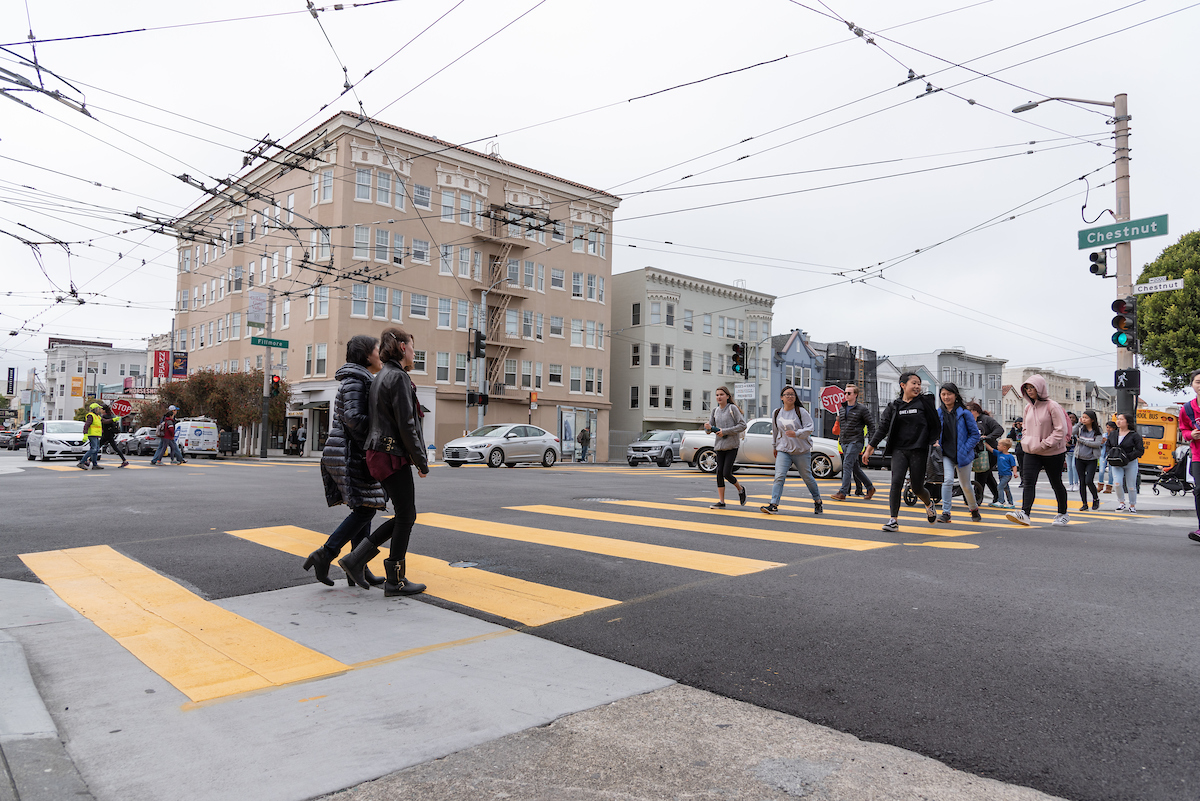
Photo of teenagers in a crosswalk

MTA’s 2022 Muni Service Network survey is currently underway and we want to be sure that young people’s voices are heard. Youth now have an opportunity to vote on what type of Muni service they want to see in 2022. 

As part of our 2022 Muni Service Network virtual open house and office hours series, we will be holding youth-centered virtual office hours on Thursday, September 23 at 6 p.m. Youth are encouraged to join to find out how the three proposed scenarios for winter 2022 Muni service would change how they get to school and to activities around San Francisco. Youth will be able to ask questions and get answers from SFMTA staff about what matters to them most about Muni service in 2022.

Three alternatives have been developed to help us determine what Muni service should look like in 2022: the Familiar alternative, the Frequent alternative and the Hybrid alternative.

The Familiar alternative brings back the all-day Muni routes that have yet to be restored at their pre-pandemic frequencies: the 2 Clement, 3 Jackson, 6 Haight/Parnassus, 21 Hayes, and 47 Van Ness (in addition to the 10 Townsend and 28R 19th Avenue Rapid, which will be restored under all of the scenarios).  

The Frequent alternative increases service on high ridership Muni lines, improving reliability and connections to grocery stores, hospitals, schools and diverse workplaces, while decreasing wait times and crowding, made possible by restoring just two of the seven pre-pandemic Muni routes that we suspended in 2020.

The Hybrid alternative aims to balance the Familiar and the Frequent scenarios and restores five of the seven pre-pandemic routes.

A StoryMap has been developed to explain these scenarios in more detail. Any questions about the StoryMap or the different scenarios can be asked during the open houses or office hours. Youth can also take the survey online or by phone at 415.646.2005 to provide their feedback.

Youth have always been a big focus for the SFMTA. This year we expanded the Free Muni for All Youth program to include all youth 18 and under, regardless of household income level. Last month, we added Muni service in time for the start of the school year. We look forward to talking with youth across San Francisco in the coming weeks to hear what Muni service will serve San Francisco best in 2022.


Published September 14, 2021 at 01:39AM
https://ift.tt/3EdxzXJ

How Youth Can Shape Muni Moving Forward

How Youth Can Shape Muni Moving Forward
By Shalon Rogers

Photo of teenagers in a crosswalk

MTA’s 2022 Muni Service Network survey is currently underway and we want to be sure that young people’s voices are heard. Youth now have an opportunity to vote on what type of Muni service they want to see in 2022. 

As part of our 2022 Muni Service Network virtual open house and office hours series, we will be holding youth-centered virtual office hours on Thursday, September 23 at 6 p.m. Youth are encouraged to join to find out how the three proposed scenarios for winter 2022 Muni service would change how they get to school and to activities around San Francisco. Youth will be able to ask questions and get answers from SFMTA staff about what matters to them most about Muni service in 2022.

Three alternatives have been developed to help us determine what Muni service should look like in 2022: the Familiar alternative, the Frequent alternative and the Hybrid alternative.

The Familiar alternative brings back the all-day Muni routes that have yet to be restored at their pre-pandemic frequencies: the 2 Clement, 3 Jackson, 6 Haight/Parnassus, 21 Hayes, and 47 Van Ness (in addition to the 10 Townsend and 28R 19th Avenue Rapid, which will be restored under all of the scenarios).  

The Frequent alternative increases service on high ridership Muni lines, improving reliability and connections to grocery stores, hospitals, schools and diverse workplaces, while decreasing wait times and crowding, made possible by restoring just two of the seven pre-pandemic Muni routes that we suspended in 2020.

The Hybrid alternative aims to balance the Familiar and the Frequent scenarios and restores five of the seven pre-pandemic routes.

A StoryMap has been developed to explain these scenarios in more detail. Any questions about the StoryMap or the different scenarios can be asked during the open houses or office hours. Youth can also take the survey online or by phone at 415.646.2005 to provide their feedback.

Youth have always been a big focus for the SFMTA. This year we expanded the Free Muni for All Youth program to include all youth 18 and under, regardless of household income level. Last month, we added Muni service in time for the start of the school year. We look forward to talking with youth across San Francisco in the coming weeks to hear what Muni service will serve San Francisco best in 2022.


Published September 14, 2021 at 01:39AM
https://ift.tt/3EdxzXJ

Friday, September 10, 2021

How Small Improvements Can Make a Big Difference

How Small Improvements Can Make a Big Difference
By Julie Kirschbaum

[excerpted from APTA Passenger Transport Magazine, where the full article is available online]

Director of Transit, Julie Kirschbaum

San Francisco Transit Riders, a non-profit ridership advocacy group, has declared September “transit month” in the city where I live, work and raise my family. As the Director of Muni at the San Francisco Municipal Transportation Agency (SFMTA), and for others across the country in my role, every month is transit month. Still, I must admit that even after working in public transit for more than 20 years, I’m still unabashedly enthusiastic about transit month and about the potential of our industry.

When we do things right, we connect communities, improve people’s daily lives, combat climate change and open opportunities for the people who need them most.

Because the SFMTA is an integrated transit and transportation agency, we are able to have our planners and engineers work together to design changes that reduce delays, improve reliability and increase the safety and comfort of customers along our most heavily used routes. These projects include a variety of treatments that specifically address the root causes of delay and passenger frustration, like traffic congestion, transit stops that are spaced too close together, narrow travel lanes and slow boarding times.

The upgrades we made include:

  • Red transit lanes, which allow Muni vehicles to bypass traffic and other problems like double-parked vehicles. This makes sense on streets where buses run frequently.
  • Transit signal priority, which is made possible by a technology the lets traffic lights know when a transit vehicle is approaching so that the light stays green to reduce delays.
  • Sidewalk extensions at Muni stops, which allow buses to stay in the transit lane when picking up and dropping off passengers, making them more accessible and reliable.
  • Transit boarding islands on streets with bike lanes to eliminate friction between buses pulling over to the curb and cyclists traveling through an area.
  • Queue jumps, which work particularly well on less frequent routes, to help buses maneuver through pinch points.

During the pandemic, when it became even more important to speed up travel times so that people would spend less time on the bus and reduce risk of exposure to COVID-19, we picked up the pace of some of these treatments to meet the urgency of the moment. We implemented ten miles of transit lines on a temporary basis, with nearly seven miles more approved.

We also added a new express bus line to downtown during the pandemic in one of our historically underserved neighborhoods: Bayview Hunters Point. This investment increased access to jobs within 30 mins. four-fold and access to jobs within 45 mins. nine-fold.

The next innovation we’re experimenting with is urban high-occupancy vehicle (HOV) lanes. Those lanes on highly trafficked city streets in a few select locations will be exclusively for use by transit and private vehicles with two or more occupants.

Megaprojects are great—when you can afford them and when you can afford to wait for their benefits. But small projects are another great option for making transit amazing. These projects—and the quick wins they can provide—are what I’ll be celebrating this year during transit month.


Published September 10, 2021 at 09:49PM
https://ift.tt/3hmfb4Z

Thursday, September 9, 2021

Young People Lean In to San Francisco’s Transportation Future

Young People Lean In to San Francisco’s Transportation Future
By

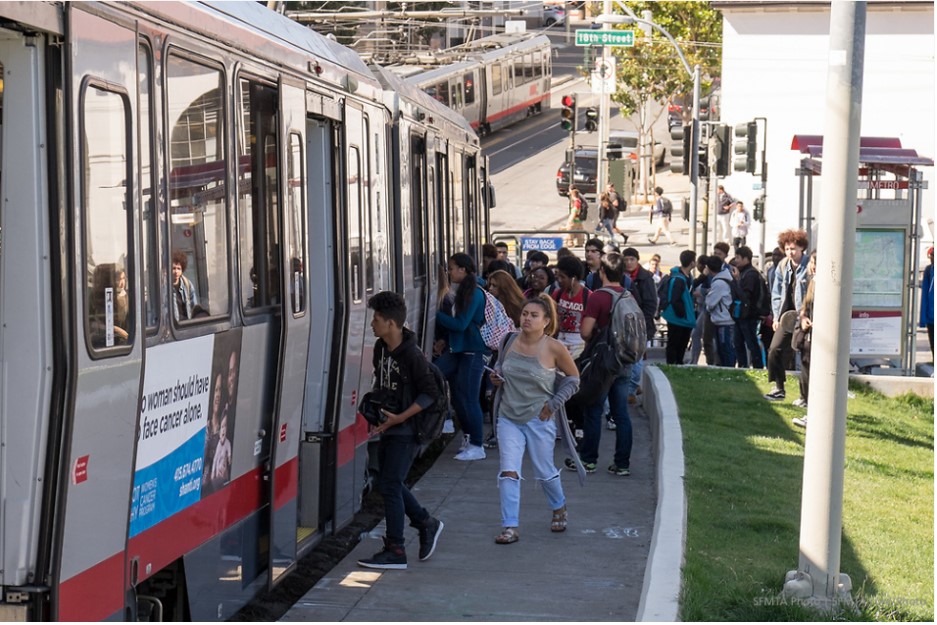
Photo of high school students boarding the J ChurchOn Saturday, September 18th at 1 PM, SFMTA’s Youth Transportation Advisory Board (YTAB) will host a Youth Town Hall both in-person at 49 South Van Ness, Conference Room B (masks required) and virtually. Since February 2021, YTAB members, youth between the ages of 14 and 18, have been sharing their transportation perspectives with SFMTA staff. Now, board members want to hear their peers’ transportation experiences and needs. The goal of the town hall is to learn from youth across the city so the SFMTA can better serve them in the future.

The Youth Town Hall will cover a range of transportation-related topics that impact youth and their communities. YTAB hopes this event will support relationship-building with youth and with organizations that serve youth and their families. These relationships will help the SFMTA better meet community needs through youth-informed service improvements. Feedback about youth experiences and needs will be incorporated into SFMTA services and will be considered in the upcoming FY23-24 budget. 

Topics will include, YTAB’s vision and goals, Free Muni for Youth, racial equity on Muni, and SFMTA behind the scenes. Additionally, one of YTAB’s goals is to make internal processes, including the budget, more transparent so youth and youth organizations can continuously engage and make their priorities known. The town hall will include a brief presentation on the SFMTA budget with an open discussion about current transportation experiences and needs. All members of the public are invited, however, as a youth-centered space, youth feedback will be prioritized. 

For any questions, please email YTAB@SFMTA.com. Please register online here if you plan to attend.

Additionally, YTAB members are calling for young artists, 21 and under, to submit their art for inclusion in the SFMTA’s first Budget Guide! Art pieces should reflect the artist’s transportation experiences. For example, depict your favorite stop, transit line, or destination! Art submissions are due by 11:59 PM on Thursday, September 16th.

Read more and submit your art at the YTAB Budget Guide Art Competition webpage.


Published September 09, 2021 at 11:20PM
https://ift.tt/38QI0lH

Wednesday, September 8, 2021

September is Transit Month! 

September is Transit Month! 
By

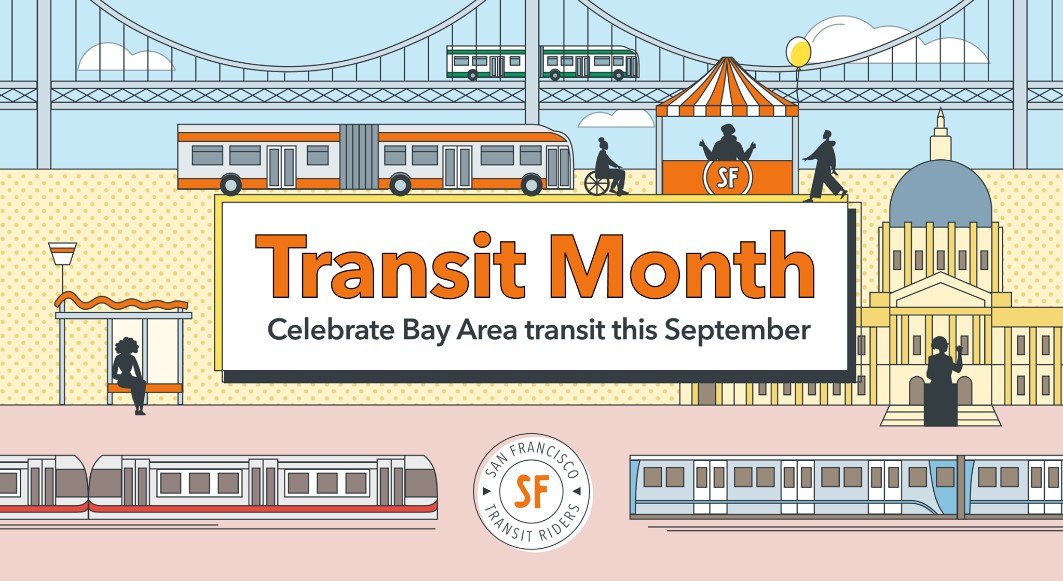
Graphical image stating Transit Month : Celebrate Bay Area transit this September

Guest Author Cat Carter

San Francisco Transit Riders, an independent nonprofit advocating for the needs of public transportation customers, started Transit Month six years ago as a way to highlight the importance of public transit in San Francisco - for the city's livability, accessibility and sustainability. This event honors all the riders using Muni to travel in and around San Francisco, as well as all the Muni operators who get us there safely every day. We'll be celebrating the role of transit in the Bay Area's recovery with events, rides and prizes. 

Daily Muni ridership never dipped below 100,000 during shelter-in-place-- that's a lot of people who depended on Muni to access essential jobs and services. Muni staff showed up every day, even in the face of the uncertainty of COVID-19, to make sure people could continue reaching their destinations. San Francisco wouldn't be able to exist or recover without all of the Muni staff who make transit possible-- from planners, to street ambassadors, to operators, to mechanics, and the people in supporting roles behind the scenes! 

This Transit Month, we also need to talk about the Muni system we need for the future.  

We know the climate is changing. Public transit has a central role to play in the solution: while serving over 700,000 daily rides pre-pandemic, Muni contributes less than 1% of San Francisco's greenhouse gases. Getting more people out of cars and riding transit is essential to combating climate change. This means making Muni much more competitive with travelling by car – ensuring that it's fast, reliable and affordable. This requires investing in more drivers, more buses and trains, and more transit priority and infrastructure projects. 

As a society, we have also recently begun broad discussions about equity, access and the effect of institutional racism. Public transit has a central role in this discussion as well: it has the potential to give people access to opportunities, resources, and each other. This goal can only be achieved if there is good, fast, reliable service reaching all communities and neighborhoods. We, as riders, need to speak up about the type of service we need, and what safe and accessible transit for everyone looks like. 

Public transit is also essential for the stability and growth of our economy. Not only do we need reliable public transit to get to our jobs, but changes in street use over the past year have shown that businesses do better when we accommodate different modes of travel throughout the city beyond the private car. Good access by public transit is one of the hallmarks of bustling, successful business districts. 

Right now, Muni service looks a bit different than it did in 2019. These changes are largely a result of a drop in ridership (and revenue) and changes in rider travel patterns. But the changes are also a result of a reckoning with what resources SFMTA actually has. 

Now is the time to lay the foundation for the Muni system of the future - one that is clean, safe, easy to use, efficient, reliable and with plenty of service connecting everyone. We can have all of that. But to do it we need to come together as a city to build that vision. Importantly, we need to build the support for funding it. We need everyone on board the bus to speak up for the importance of public transit. That's what Transit Month is all about! 

You can check out all our events at transitmonth.org, including our Riders First party on October 1. Sign up to win prizes just for riding transit! See you on the bus! 


Published September 08, 2021 at 09:08PM
https://ift.tt/38QhfxF

Tuesday, September 7, 2021

Late Night Subway Service Returns in October

Late Night Subway Service Returns in October
By Mariana Maguire

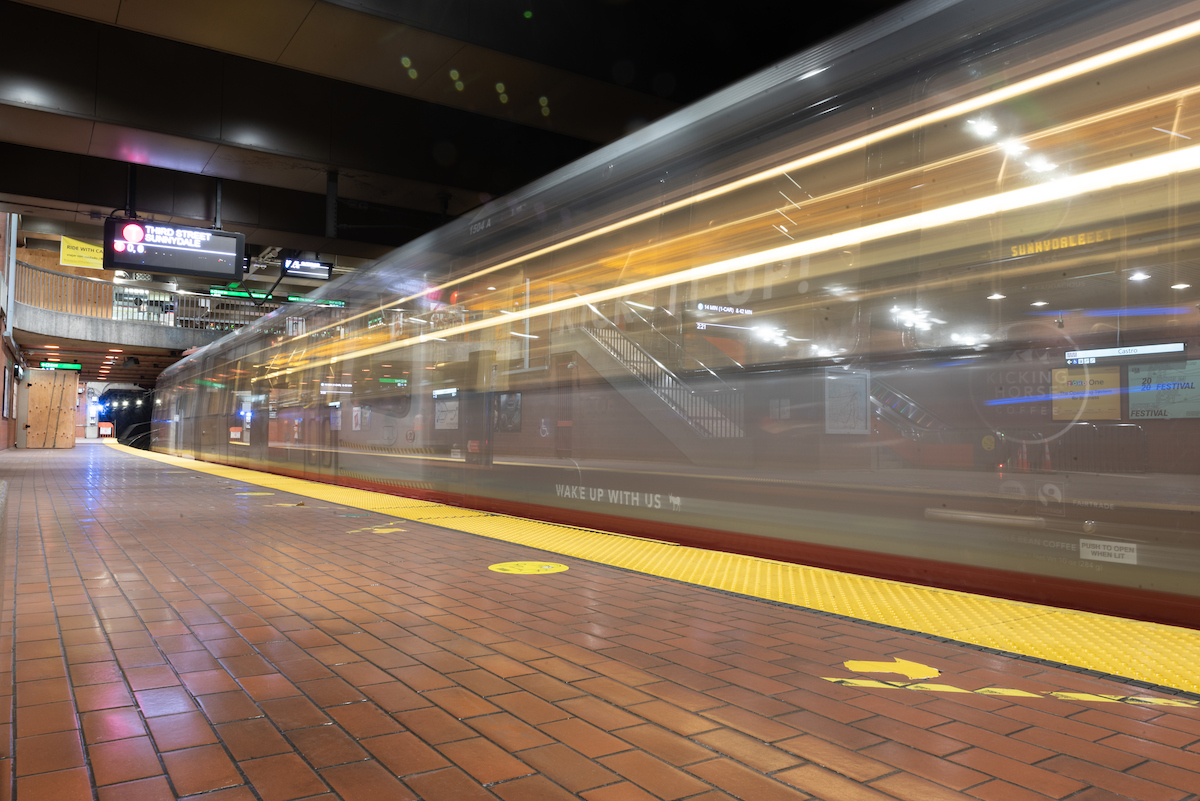
Photo of T Third train entering Castro StationThe SFMTA plans to extend Muni Metro service in the subway to midnight as part of our ongoing rail recovery and COVD-19 Muni service expansion starting Saturday, October 2.
Monday through Saturday, last trains will depart their terminals before midnight and will reach the end of the subway tunnel, in either direction, by midnight. The last eastbound Muni Metro train will depart daily at 11:50 p.m. and last westbound train at 12:00 a.m.

Sunday night service will run until approximately 10 p.m.

Since May 2021 rail service has run until 9 p.m. daily, allowing maintenance crews more time to conduct vital, ongoing maintenance work. Extending Metro service through the subway until midnight allows Muni to provide late-night service connections to BART, while preserving a large part of our late-night subway maintenance window.

To do this necessary and critical maintenance work, crews need several hours without trains in the tunnels. Prior to the pandemic, the subway maintenance window was too short, causing work to be delayed or deferred. The subway shutdown during the pandemic allowed us to advance this work significantly.


Published September 08, 2021 at 12:37AM
https://ift.tt/2WUiRDQ

Tell us What You Want Muni Service to Be Like in 2022

Tell us What You Want Muni Service to Be Like in 2022
By Shalon Rogers

Muni’s 15 Bayview Hunters Point Express bus traveling in the Bayview neighborhood.The 15 Bayview Hunters Point Express is one of Muni’s newest routes.

What should Muni service be like in 2022? Now’s your chance to weigh in.

The SFMTA is planning to increase Muni service in early 2022. As we add more Muni service, what is the best way to do so? Should we simply restore the seven all-day bus routes that are not currently running just the way they were before the pandemic? Should we improve the frequency and capacity of buses on high-ridership lines? How can we make Muni service better than it was? That’s what we need your help to figure out.

SFMTA is pursuing a number of ways to gather feedback from the public on the best path for Muni service moving forward including a series of public meetings, specific stakeholder outreach, and surveys in English, Chinese, Spanish, Filipino, Russian and Vietnamese.

Three alternatives for Muni service in 2022

To begin the discussion on what the 2022 Muni Service Network should look like, we’ve laid out three alternatives including: a Familiar alternative, a Frequent alternative and a Hybrid alternative. Each alternative has advantages and disadvantages.  It should be noted that the return of service for the 10 Townsend and 28R 19th Avenue Rapid is included in all three alternatives.

The Familiar alternative brings back the all-day Muni routes that have yet to be restored at their pre-pandemic frequencies: the 2 Clement, 3 Jackson, 6 Haight/Parnassus, 21 Hayes, and 47 Van Ness (in addition to  the 10 Townsend and 28R 19th Avenue Rapid, which will be restored under all of the scenarios).  

The Frequent alternative increases service on high ridership Muni lines, improving reliability and connections to grocery stores, hospitals, schools and diverse workplaces, while decreasing wait times and crowding, made possible by restoring just two of the seven pre-pandemic Muni routes that we suspended in 2020.

The Hybrid alternative aims to balance the Familiar and the Frequent scenarios and restores five of the seven pre-pandemic routes.

Find Out More

To help customers better understand these three scenarios, SFMTA has created a StoryMap that explains in more detail what each option would look like. After reviewing the site, customers can then take a survey to provide their feedback, which can be completed online or by calling a hotline.

Additionally, SFMTA will be hosting a set of virtual open houses where staff will present the three options and offer participants an opportunity ask questions and provide feedback. We will also hold virtual office hours when project staff will be available to answer questions about the three different options in a casual setting.

Youth are particularly encouraged to join our Virtual Office Hours with SFMTA staff on Thursday, September 23 at 6 p.m. to find out how the three scenarios for Muni service would change how they get to school and to activities around San Francisco. Youth will be able to ask questions and get answers from SFMTA staff about what matters to them most about Muni service in 2022.

Schedule and Meeting Details:

Virtual Open Houses (attend one)

Virtual Office Hours (attend as-needed)

The feedback gathered from the survey, combined with transit data, will be used to develop a proposal for the 2022 Muni Service Network. The proposal will then be presented to stakeholders for fine tuning before being brought to the SFMTA Board for consideration later this year.


Published September 07, 2021 at 10:21PM
https://ift.tt/38U1u8J

Friday, September 3, 2021

Adaptive Scooters Coming to a Street Near You

Adaptive Scooters Coming to a Street Near You
By Rachel Vierstra

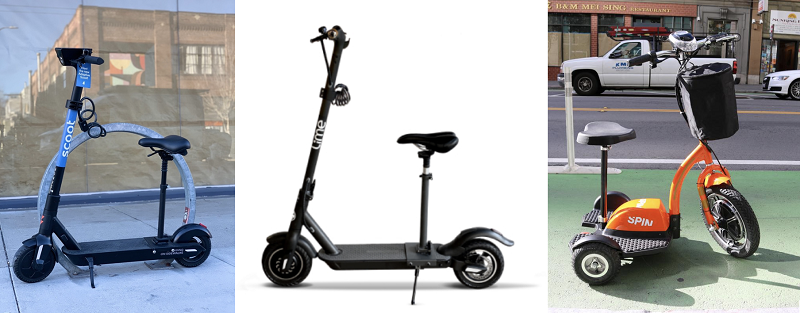
Photo of adaptive scooters from Scoot, Lime and SpinShared Powered Scooters have grown in popularity over the past few years, giving residents and visitors to San Francisco one more alternative to traveling by car. Scooters can provide increased access to nearby necessities and a fun option for shorter trips. However, standard scooter models are not accessible to many people with disabilities.

Motivated by our dedication to providing equitable access to transportation, the SFMTA required all powered scooter permittees to pilot an adaptive scooter program from January 2020 to June 2021. From that pilot, a first of its kind among U.S. transit agencies, we learned important lessons that inform how we can best require scooter operators to expand access for disabled riders moving forward.

2019-2021 Adaptive Scooter Pilot

The 2019-2021 scooter permittees, Scoot, Lime, and Spin launched their adaptive scooter pilots with devices that provided additional stability, such as a seat, a wider base, and an additional wheel. Each of the three pilots offered multiple options for reserving an adaptive scooter, including submitting a request through an online form, calling directly, or reserving through the company’s app. Once reserved, users were able to pick up the scooter from the company or have it delivered directly to them.

Throughout the pilot, the permittees were required to connect with different disability organizations to evaluate their program’s efficacy and solicit feedback on how best to meet their needs. This included surveys of users and roundtables with local disability organizations, including LightHouse for the Blind and Visually Impaired, Ability Now, Walk San Francisco, and the Community Living Campaign.  

What We Learned

At the end of the pilot, the SFMTA required the permittees to conduct an evaluation of their programs to identify strengths and weaknesses and to share what they learned. The program had many successes during the trial period. All three permittees were able to offer the adaptive scooter rentals free of charge (Lime had a $5 refundable deposit), making the program financially accessible. In addition, based on user feedback, permittees were able to make modifications to existing models and introduce new, more useful models to their adaptive fleets during the pilot program. For example, all permittees altered seats so they could be raised and lowered based on the user’s height, and Lime and Spin added baskets so users could carry personal belongings. Starting in February of 2021, Scoot placed some of their adaptive scooters on the street, allowing anyone to rent them on demand.

By the end of the pilot, 158 different people had rented an adaptive scooter at least once, for a total of 786 rides. Input received from the community throughout the pilot underscored the importance of offering an array of scooter models that allow people with different mobility needs to access the program.

Incorporating lessons learned from the pilot program, permittees are now required to provide adaptive scooters as a minimum of 5% of their on-street fleet.

What’s Next: Permanent Adaptive Requirements for Scooter Operators

The new scooter permit began July 1, 2021 with Spin and Lime and on August 20 for Scoot. All on-street adaptive devices are rentable from the permittee’s existing mobile app, meaning a rider can reserve and ride an adaptive scooter in the same way as a standard scooter. The adaptive scooters must feature at least two of the following expansions to increase access: 1) three wheels, 2) seat, or 3) basket. Rental costs for adaptive scooters must be equal to or less than the rental cost of a general fleet scooter.

 In addition to requiring the on-street adaptive scooters, SFMTA also incentivized permittees to continue piloting and testing additional adaptive scooter devices and service models, such as rental/testing hubs out in the community, pick up and drop off services, and additional community partnerships.

Learn More

Join us September 12, 2021 in Golden Gate Park to test ride an adaptive scooter! This adaptive transportation event will also feature our adaptive bikeshare pilot program and information about the Golden Gate Park Access and Safety Program. In addition, the scooter permittees will be sharing an adaptive scooter update at the Multimodal Accessibility Advisory Committee (MAAC) meeting on September 30, 2021.


Published September 03, 2021 at 11:21PM
https://ift.tt/2YrMoWf

Thursday, September 2, 2021

Celebrating 148 Years of Cable Cars in San Francisco

Celebrating 148 Years of Cable Cars in San Francisco
By Pamela Johnson

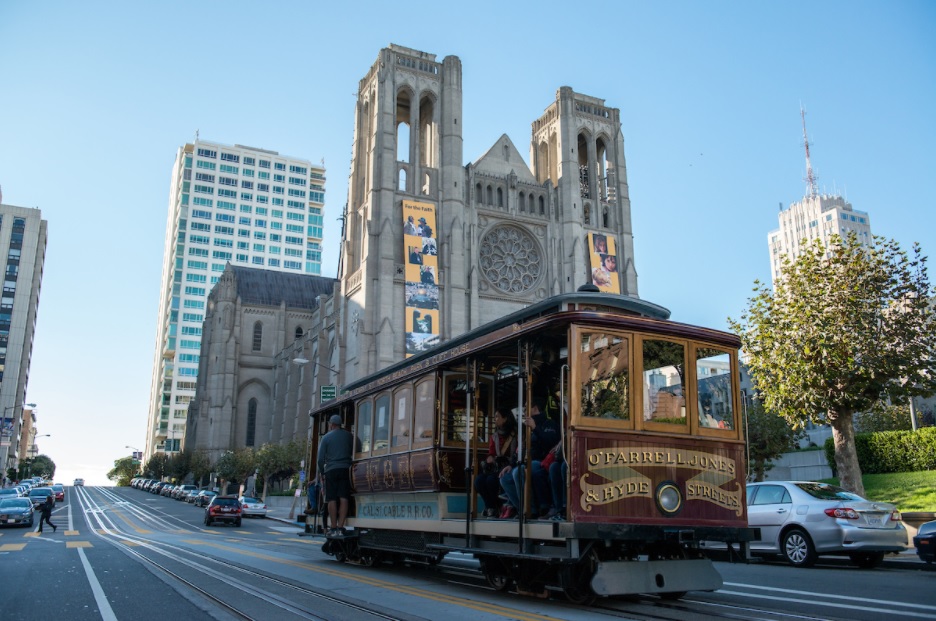
Photo of cable car on California Street near Grace Cathedral

On September 4, 2021, San Francisco’s historic cable cars will return to revenue service after an unprecedented shut down of more than a year as part of the city's emergency response to protect operators and the public during the Covid19 pandemic. Coincidentally, this reopening marks the 148th year of cable car operations in San Francisco.

Rebooting the cable car system required significant work. As the cars had been out of service since March 17, 2020 we had to recertify and hire new line inspectors and prepare the cable cars’ historic infrastructure to accommodate service. Cable car testing began with the Powell-Hyde line in July. In August, the SFMTA announced that free test rides would be offered to the public on all three lines as we worked out possible kinks in the system, leading to this month's return of the landmark cable cars.

All aboard? Ding! Ding! A familiar sound is in the air again. It's time to experience San Francisco once more with a ride on one of the city's landmark cable cars. When was the last time you were on board? Shop, dine, and visit your favorite destinations along the cable car line and support the reopening of San Francisco's economy.

History of the Cable Car

Andrew S. Hallidie, an engineer originally from Scotland, conceived his idea for a steam engine-powered, cable-driven rail system in 1869 after witnessing horses being whipped as they struggled to pull a passenger car up the wet cobblestones of Jackson Street.

Hallidie then entered into a partnership to form the Clay Street Hill Railroad, which began constructing a cable line on Clay Street—creating the first cable car line in the world, which launched in May 1873.

Opposition & Threats to the Cable Car System

The existence of San Francisco's cable cars has been threatened over and over again throughout the years. They have persisted through two World Wars and The 1906 Great Earthquake, and have outlasted political attempts to remove them from city streets in the late 1940s and 1950s, eventually becoming the international symbol of San Francisco that they are today.

In 1946, the cable cars almost saw their extinction when some city leaders, including then-Mayor Roger Lapham, wanted to tear out the 1870s-era transit system. The wooden vehicles towed by an underground cable system were seen more as a costly nuisance than a joyous marvel. In the same year, however, Friedel Klussman founded the Citizens Committee to Save the Cable Cars. The committee began a public campaign proclaiming that the cable cars’ value to San Francisco was far greater than their operational costs. They succeeded in placing an amendment on the ballot. With newspaper coverage, public support quickly grew. Celebrities voiced their support for cable cars as well.  The measure passed in a landslide victory, and the city of San Francisco had rallied to save the Powell Street cable car system.

Despite a shut-down in the 1980s for system reconstruction and the more recent pandemic-related service suspension, cable cars have proven to be an enduring legacy of San Francisco. We appreciate the patience of our riding public as we work to bring this service back better than ever.

To learn more about the history of San Francisco's historic cable cars, visit San Francisco's 148 Years of Cable Car Service, Then and Now: Keeping the Cable Cars on the Move and the Cable Car Museum webpages. You can also sign up for cable car service updates on our SFMTA alerts page.


Published September 02, 2021 at 08:09PM
https://ift.tt/3BCZvlA

June 10 Muni Service Changes Adds Service on Connector Routes

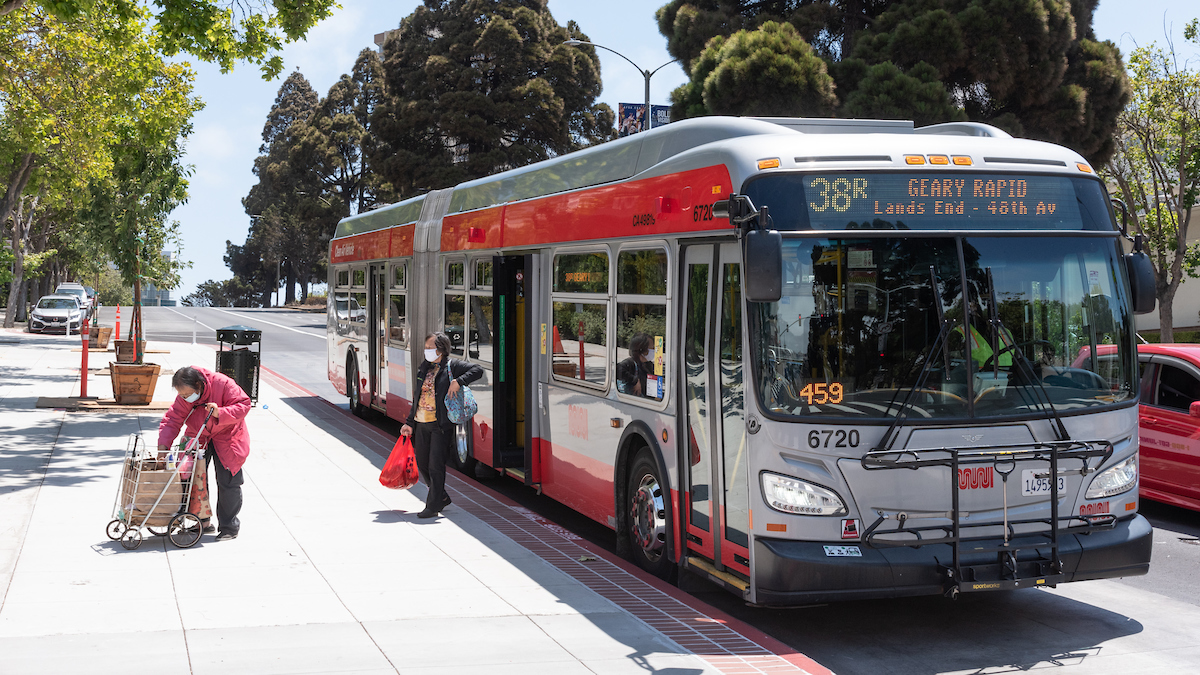
June 10 Muni Service Changes Adds Service on Connector Routes By Clive Tsuma The 38R Geary Rapid will run every 6 minutes starting June 1...